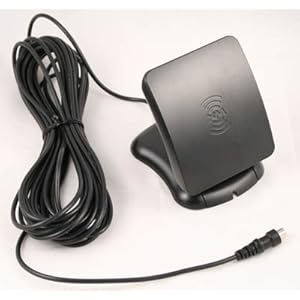
XM Radio Universal Home Antenna
Thursday, February 16, 2012

Friday, January 27, 2012
Car Games
Car Games
Be it bumper to bumper traffic, or a ride to Grandma's house-- long car rides can do a number on any group of people, specifically families. The following is a list of some car games to consider playing with the whole gang!
Car Games
Car Games
Car Games
Car Games
The ABC Game is popular with a younger crowd, as it only requires knowledge of the alPh Metery is passed, the side of the car it is on loses alltheir points and has to start over. Whoever has the most points by the end wins!
Car GamesWednesday, January 4, 2012
Calculating Airplane Ownership Cost
Calculating Airplane Ownership Cost
Over the years, calculating the cost to own an Airplane is one of the most frequently asked questions I receive. There are a lot of different cost factors that go into owning an Airplane. The purchase price is just one piece of the enTire cost of the airplane ownership pie. Other pieces include taxes, hangar or tie down costs, fuel, oil, insurance, ramp fees, engine reserves, routine maintenance, inspection items and subscriptions to name a few. The following article will help you determine what costs are involved in owning an airplane and how to plan your finances accordingly. Keep in mind the following article offers a generic estimate on how to calculate the ownership costs of most piston airplanes.
First, we will divide the total cost of ownership into two sections; the first section will be the indirect cost, and second section direct cost.
INDIRECT COSTS
Indirect costs are the costs that you will pay whether or not the airplane flies. These expenses include the purchase price of the airplane (or monthly payMents), insurance, tie down or hangar fees, subscription fees, taxes, and tax benefits.
Let's start with the first indirect cost I Mentioned, purchase price or capital cost. This is one of easiest expenses to calculate. If you finance the airplane, get a quote from the bank on the down payMent required and interest rate. Currently, rates are approximately 6% with a minimum of 15% down and 20 year financing. As an example, if you put 20% down on a new DA40XLS priced at 0,000, your monthly payment would be just over ,000 a month over 20 years.
To calculate insurance fees, call your insurance agent and obtain a quote for the airplane you are considering purchasing with your experience level.
Hangar fees and tie downs are self explanatory. Call the airport or FBO where you want to base your airplane and ask what options are available. Usually there are about four choices: tie down (leaving your airplane outside in the elements), covered (airplane is outside in the elements but has a shade covering), hangar in common (airplane is constantly moved around in a large hangar shared with several other airplanes), and finally an individual or T hangar. At many airports hangar space is scarce so don't be surprised if you end up on a waiting list. Hangar prices vary according to your location. My T hangar in Concord, NC costs just north of 0/month while that same hangar in Fort Lauderdale would cost well over ,000/month. If you keep your airplane outside, please be sure to at least cover it. It will protect the interior and the avionics. Also, keep in mind that some insurance companies will lower your premium if you can hangar your airplane rather than keep it on tie downs.
Subscription services may not apply to you. If you own a J-3 cub, you can skip to the next paragraph. Almost all aircraft manufactured after the early 1990s offer an IFR GPS. If you have an IFR GPS, you will need to subscribe to a monthly update to keep your database legal to navigate solely by GPS and shoot GPS approaches. If you have XM weather, you will pay around /month for the basic subscription or /month for the full package. The winds aloft feature on the full package is more than worth the additional cost to get it. XM radio is additional. If you own a glass panel airplane, you may opt for Garmin's safe taxi charts and/or approach plate services. Visit http://www.mygarmin.com for cost information. Jeppesen also offers approach plates for glass cockpit airplanes. This service requires an initial upfront cost to install and a higher monthly payment, compared to Garmin's approach plate services.
Unfortunately taxes do not disappear with airplanes, with the exception of tax exempt corporations (see an aviation tax consultant for more information to see if you qualify). Taxes vary from state to state. In Florida, it is 6% of the purchase price. In North Carolina it is a flat tax of ,500. North Carolina, however, charges property tax which varies by county and by city. Where I live in North Carolina, the airplane property tax rate is around 63 cents per 100 Dollars, and I have a city tax of 42 cents per 100 Dollars. If you use the airplane for business, you may be able to depreciate the use and cost of the airplane which benefits your estimated cost of ownership. Please consult with an airplane tax specialist to determine your individual situation.
DIRECT OPERATING COSTS
Calculating the direct operating costs is a little trickier. There are different ways of calculating what it will cost you each hour to fly. My method is just one method, but it works. Here you need to decide on how many hours you plan on flying a year to establish an annual base budget.
Let's start with the basics. Most pistons engines will require an oil change every 50 hours. Depending on where you live, a standard oil change will cost between 0 to 0. Call the local mechanic on the field and find out what he charges. If you plan on flying 100 hours a year, the math is simple.
Fuel consumption varies according to different aircraft. You can usually visit a manufacturer's website or consult the POH to get the cruise fuel burn. If you are flying an aircraft with a worn out engine, consider the published fuel burn to be the best case scenario (which often is not the case). Find out what avgas costs at your local airport and do the math. Keep in mind avgas prices vary
Engine and propeller reserves are calculated into the equation even if you own a low time or new airplane that you plan on selling long before overhaul. You can usually get a quote from a local FAA engine repair station on the cost of overhauling your engine or on the cost of installing a factory remanufactured engine. Take that price and divide it by the hours remaining till TBO and you will get an idea of how much you need to put away each hour. If you plan on buying a twin, double the fuel, engine and propeller costs.
Scheduled maintenance is another cost worth planning for. Every year your airplane will be due for an inspection. Again, prices will vary depending on where you do your inspection. Shop rates in South Florida average /hour, while in North Carolina they are around /hour. Call a service center familiar with your airplane and see what they charge for a standard annual inspection. Keep in mind that the price they quote you doesn't include squawk items, airworthiness directives, service bulletins or regulatory replacement items. These are extra costs. If your airplane is still under warranty, then you shouldn't expect any surprise repair bills when you pick your airplane up. A safe bet for budgeting additional expenses for an airplane out of warranty is to double the price of the annual inspection fee; this budgeting will cover almost any unexpected surprises that may occur during the year. You may also consider a reserve for paint, interior, and avionics upgrades in which case you will want to put away a little extra.
Finally, you will need to determine what your airplane will be worth if and when it comes time to sell it. Airplanes typically stop depreciating after 5 years. Like cars, their depreciation rates vary. Companies such as Vref and Aircraft Bluebook offer retail pricing and trade-in pricing.
Wednesday, November 23, 2011
Is Sirius Satellite Radio Better Than XM Radio?
Is Sirius Satellite Radio Better Than XM Radio?
Many years ago, people didn't have televisions. Many read the papers to get the news or listened to the radio. Just as satellite television has entered American homes, another thing has also been developed that is called satellite radio.
What is satellite radio? This piece of hardware allows the individual to listen to favorite recording artists and shows instead of Watching it on television. Given that the United States is a vast place and there are various stations in each state, this also allows the user to listen to one back home hundreds of miles away.
Currently, there are two main players competing head on in the market. The first is called Sirius while the other is XM radio. Which of the two is better? This question depends on whom the individual will ask but both are doing quite well and more customers are signing up.
Sirius is the first to ever provide commercial free programming on all its music channels and has a wide array of accessories for customers to buy. This is despite that fact that XM radio launched a few months in advance.
The subscription fee of Sirius a little pricey compared to XM radio. When people want the best things in life, money maybe an obstacle. So the deciding factor will be what the hardware has to offer.
Satellite radio has been around for almost 5 years. Since this is considered to be the "in thing" in the market, both companies have tied up with the major car manufacturers to have this installed in their vehicles. This is the same thing Ipod is doing so the owner can listen to the favorite tunes while on the road.
Sirius has 65 channels that feature sports, news and other programs aside from music. This includes exclusive coverage of special events such as the NFL. XM radio on the other hand has NASCAR and Fox news. It has 68 channels which is 3 more than what the other is offering to the consumer.
The accessories used by Sirius satellite radio allows the person to listen to this at home or in the car. One of the basic accessories it uses is the Sanyo CRSR-10 Plug and Play system that will cost about 9.99. Those who are not satisfied can have this upgraded-which will cost from 0 to ,000.
XM radio on the other hand uses the Delphi XM Roady Receiver. This will cost an individual somewhere between to 0, but those who choose to get a monthly subscription will only have to pay .95 per month.
Both the models being offered by Sirius and XM radio are easy to install. The person will just have to pay a small fee as a service charge when enlisting the help of a customer representative when this is being done.
Customers can buy the unit in a store or order this online. It is not only ordinary individuals who are very interested in this product since there are also other models for commercial use that are being broadcasted in public access systems of hotels and other retail establishMents
Is Sirius satellite radio better then that XM radio? Given that both companies have different things to offer, this really depends on the tastes of the customer.
Subscribe to:
Posts (Atom)