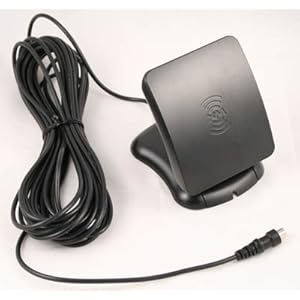
XM Radio Universal Home Antenna


XM Radio Universal Home Antenna

XM Radio Universal Home Antenna


Wednesday, June 6, 2012

Watch Live TV Using PC TV Receiver Software

Watch Live TV Using PC TV Receiver Software


PC TV receiver software has been around for quite some time but many are still unaware of its existence or benefits. So what is a PC TV receiver software? It is a piece of software that is installed on your laptop or Computer and has the ability to stream live satellite tv channels straight to your PC.

Watch Live TV Using PC TV Receiver Software

Watch Live TV Using PC TV Receiver Software

Watch Live TV Using PC TV Receiver Software


Watch Live TV Using PC TV Receiver Software


Watch Live TV Using PC TV Receiver Software

Why Watch live tv channels on Computer when I can have satellite tv befor ... on my Lcd TVs? One very distinctive difference is that in order to Watch cable channels on Lcd TVs, you need to purchase your own satellite dish equipMent and assemble it. Doing so will easily set you back by more than $ 200. You will also need some time and effort in setting up the equipMent. You can also sign up for a satellite tv package that comes with free equipment and installation. However thecatch will be that you have to commit to a monthly subscription fee for a period of at least a year. Either way, at the end of the day, you still pay a premium for the service.

The good thing about PC TV receiver software is that it only comes with a one-time payment which means once you purchase the software and install it, you can watch live satellite television on your Computer or laptop for as long as you like, free of charge. No monthly subscription fee, no pay-per-view charges, no further financial burden/commitment. Typically, software like that will cost no more than $ 50. A good software can offer more than 3000 channels world wide in different languages for you to choose from. All you need to work with the software is a Computer and a broadband connection. If you were toinstall it on your laptop, you can even watch live football in a cafe with a WIFI connection.

Before you make the purchase, it is important that you read about the PC TV receiver software, preferably some reviews to give you a clearer picture of what you are buying.

Watch Live TV Using PC TV Receiver Software

Wednesday, April 18, 2012

How To Set Up Your Own FM Radio Station-Licensing And Start-up Issues

How To Set Up Your Own FM Radio Station-Licensing And Start-up Issues


There are several ways to set up your own radio station. It depends on how serious you are about it. The single most important thing you should know before you get started is why would you need to start your own radio station?

How To Set Up Your Own FM Radio Station-Licensing And Start-up Issues

How To Set Up Your Own FM Radio Station-Licensing And Start-up Issues

How To Set Up Your Own FM Radio Station-Licensing And Start-up Issues


How To Set Up Your Own FM Radio Station-Licensing And Start-up Issues


How To Set Up Your Own FM Radio Station-Licensing And Start-up Issues

Maybe, it's because you are a DJ or you have a band and want to reach an audience with your songs. Maybe, you have a huge collection of rock music and want to share it with the world. Maybe you are a member of club and want to make money by broadcasting a certain type of music along with commercials. Maybe you are a candidate and want to spread the word about your nomination and your speeches. Or maybe you are just person who is passionate about radio stations and always wanted to start your own FM radio station. Whatever the case, you need to know what you are doing.

Here are the basics of setting up a new radio station in a nutshell.

First you have to make decisions on two issues. You must choose the right place where your studio will be located. Also you must decide whether your radio transmitter will be placed at your studio or in a remote location.

Next, it's time to obtain a FM radio station license that will allow you to legally broadcast your signal.

There are three types of FM radio station license:

-The low power FM (Local)

-The full power FM (Commercial)

-License for Internet radio (Streaming Media)

You can start broadcasting your new radio station by obtaining at least oneof the licenses Mentioned. If you are serious about this then your goal should be to first acquire a low-power FM license and then move on to the full power license. There's also the option to set up a radio station that streams sound on the internet which is the easiest way to go with, if you have no previous experience in FM radio stations.

Here are some issues you must consider after applying for the radio station license:

-How much money are you willing to spend for start-up and ongoing costs?

-What type of equipMent will you need? For example transmission equipMent or a radio automation system etc. Do you know how to choose the best transmitter for your radio station?

-What is the process of getting in the Air?Do you know how to use your equipment and go live? For example, do you know how many watts your broadcast equipment can handle?

-How will you deal with music licensing, royalties and copyright issues? Do you know that you actually have to pay for that too?

How well informed are you on the subject of frequencies? Acquiring a license is one thing and obtaining a frequency for your radio station is a different thing. You have to fill and submit an application to request a new frequency.

-Do you know what kind of personnel you need? Do you have a plan to find the right people for the Job?

How To Set Up Your Own FM Radio Station-Licensing And Start-up Issues

Thursday, March 29, 2012

What is the Best CB Radio Antenna That I Should Buy?

What is the Best CB Radio Antenna That I Should Buy?


I have been driving a tractor trailer for about 10 + years. I am a member to many CB Radio Forums, also a lot of Truck Driver Forums.

What is the Best CB Radio Antenna That I Should Buy?

What is the Best CB Radio Antenna That I Should Buy?

What is the Best CB Radio Antenna That I Should Buy?


What is the Best CB Radio Antenna That I Should Buy?


What is the Best CB Radio Antenna That I Should Buy?

I see and get this question all the time, so I thought I would try and answer it here.

You made it through truck driving school, now you need a CB Radio? OK, first off we need to do some research on CB Radios. DO you want a 10 Meter radio? Or do you want a standard 11 Meter CB Radio? Well it is going to have to be the latter of the two. Because unless you are a Ham Radio operator licensed through the FCC, then it is illegal to own a 10 meter radio.

CB Radio operators are only allowed to talk on the 11 meter band.

There are 40 channels in the 11 meter band, no CB Channelsgo below channel 1-26,965 or above channel 40-27,405. Anywhere in between you are allowed to operate as long as your CB Radio has not been "worked on", we will get into this later. There are several different kinds of CB Radio's to choose from that are legal in the US.

Cobra 25 LTD, 29 LTD, 148 GTL DX, 25, 19, NW WXNW, 25, 29 WXNW 29 NW Texas Ranger 696, 121.966 Uniden With 538 PRO 510 XL, weather, PC 68 XL PC 78 LTW, PC 68 XL, PC, PC 78 LTW 78 Elite Galaxy and the Galaxy 949 959

These listed here are the basic legal radios allowed to be used in the USA today without having to have Amature radio license. They are allowed to be used as long as no modifications have been made to them such as "Peak andTune "where the power has been turned up on the radio. From the factory these radio's are preset at 4 watts of power, which is legal. Tuned properly they will go up to about 35 watts, but again this is not allowed by the FCC.

But most truckers go to the nearest "cb shop and pay $ 50.00 to $ 100.00 to have a Connex Board" and "to" peak and tune "done to their radios. The "Connex Board" is to echo feature added to the inside of the radio, so as to distort (echo) the voice it also adds a talk back feature so the operator can hear themselves through an external Speaker.

Most drivers I know usually buy a decent radio ($ 150.00) then they buy a cheap antenna to go with it. Well this won't work, your antenna is 95% of your cb outfit. I recomMend any Wilsonantenna, especially a Wilson 2000 or 5000 Wilson. These range in price from $ 50.00 to $ 100.00 and that is usually installed. Yes, have it installed by a tech so that they can set your SWR for your antenna. SWR Standing Wave Ratio-this is what makes your radio talk. If you have a SWR of above to 3 or more it will burn your radio up. The tech will use a SWR meter connected to your coax and antenna to check it's SWR reading. If it is to high they will cut some of the antenna whip off 1/8 "increMents, until a satisfactory SWR is reached. If you do not want to spend a lot on an antenna at least buy one that is tunable.

The coax is another big part of the radios. Which would be caught by a good tech when they were installing your "new" antenna. But if you arealready using the radio and you notice it drops in performance, it will usually be either the SWR or the coax. Truck stops sell precut lengths of coax, usually you will need a 18 ' piece to replace what is bad runs about $ 25.00, I recomMend the gray or clear coax. If you are just replacing the coax you can do this yourself, unless you want the SWR checked.

I hope maybe this has shed some light on what to buy.

Be safe out there.

What is the Best CB Radio Antenna That I Should Buy?

Thursday, March 8, 2012

How to Start Up a FM Radio Station

How to Start Up a FM Radio Station


Whether you are looking for information on how to start up a FM radio station that operates on a low power FM basis, operates on a full power frequency or alternatively streams on the internet, it is essential to first establish what the options available to you are. It is also important to understand the process for obtaining a frequency, what the licensing requireMents are, and also what type of FM broadcasting equipMent and studio gear you will need to run the radio station.

How to Start Up a FM Radio Station

How to Start Up a FM Radio Station

How to Start Up a FM Radio Station


How to Start Up a FM Radio Station


How to Start Up a FM Radio Station

The following is a brief outline of some of the options that may be available. Please that not all options may be available in all countries, as license conditions do vary.

When it comes to how to start up a FM radio station, one of the options is low power FM. This typeof radio station operates at lesser power than commercial stations and so they cover a smaller area. The exact area they will cover is dependent on terrain and the exact amount of power you are permitted. Again depending on the country you live in, the low power FM service may enable you to broadcast anywhere near from 500mW to 100W, and may be license-free or alternatively it may be licensed. This level of power is sufficient to cover anywhere between a radius of a few kilometres to several kilometres.

Another option is operating at full power licensed radio station. This type of frequency will give maximum coverage and station will enable you to reach as many listeners as possible. Depending on the country you live in, there can frequently be provisions to operateon a full power frequency, but either on a commercial, non-commercial or educational basis. However, operating at full power FM radio station can be a somewhat complicated process-especially during the initial sTAGes of determining whether there are frequencies available in your area and also costing the equipMent that is needed. If you want to start up at full power FM radio station, then it is essential to get expert guidance at the earliest sTAGe. This will ensure you get the information you need to make an informed decision.

If these options don't appeal or are not available in your area, you have one other method for how to start up a FM radio station. You are able to establish a station that streams on the internet. It will be available to a worldwideaudience and can stream in your choice of format. Common formats include Winamp and Windows Media Player, although generally we recomMend the latter as most people won't need to download any additional software to listen to your station. This type of radio station can use a great deal of bandwidth, so it is important to have a Fast speed internet connection with a high data cap limit.

When it comes to choosing the type of station you will set up, one of the most common constraints is budget. That said, it has been proven that a station can start out on a low power FM basis and successfully make the transition to operating at full power licensed commercial FM radio station. Some of the points to consider when looking to start up a FM radio stationincludes:

-The process for obtaining an FM frequency and what to look out for

-How many Watts you will need to achieve the broadcast coverage you want

-What your obligations will be when it comes to music royalties

Specialist services-What you need before to assist you in submitting your application for a frequency

-What is the most appropriate powered transmitter and what type of antenna would be needed

-The type of radio automation software that will be used

For further information on how to start up a FM radio station please visit http://www.themulcher.com or email @ themulcher.com radio

How to Start Up a FM Radio Station

Friday, January 27, 2012

Car Games

Car Games


Be it bumper to bumper traffic, or a ride to Grandma's house-- long car rides can do a number on any group of people, specifically families. The following is a list of some car games to consider playing with the whole gang!

Car Games

Car Games

Car Games


Car Games


Car Games

The ABC Game is popular with a younger crowd, as it only requires knowledge of the alPh Metery is passed, the side of the car it is on loses alltheir points and has to start over. Whoever has the most points by the end wins!

Car Games

Wednesday, January 4, 2012

Calculating Airplane Ownership Cost

Calculating Airplane Ownership Cost


Over the years, calculating the cost to own an Airplane is one of the most frequently asked questions I receive. There are a lot of different cost factors that go into owning an Airplane. The purchase price is just one piece of the enTire cost of the airplane ownership pie. Other pieces include taxes, hangar or tie down costs, fuel, oil, insurance, ramp fees, engine reserves, routine maintenance, inspection items and subscriptions to name a few. The following article will help you determine what costs are involved in owning an airplane and how to plan your finances accordingly. Keep in mind the following article offers a generic estimate on how to calculate the ownership costs of most piston airplanes.

First, we will divide the total cost of ownership into two sections; the first section will be the indirect cost, and second section direct cost.

INDIRECT COSTS

Indirect costs are the costs that you will pay whether or not the airplane flies. These expenses include the purchase price of the airplane (or monthly payMents), insurance, tie down or hangar fees, subscription fees, taxes, and tax benefits.

Let's start with the first indirect cost I Mentioned, purchase price or capital cost. This is one of easiest expenses to calculate. If you finance the airplane, get a quote from the bank on the down payMent required and interest rate. Currently, rates are approximately 6% with a minimum of 15% down and 20 year financing. As an example, if you put 20% down on a new DA40XLS priced at 0,000, your monthly payment would be just over ,000 a month over 20 years.

To calculate insurance fees, call your insurance agent and obtain a quote for the airplane you are considering purchasing with your experience level.

Hangar fees and tie downs are self explanatory. Call the airport or FBO where you want to base your airplane and ask what options are available. Usually there are about four choices: tie down (leaving your airplane outside in the elements), covered (airplane is outside in the elements but has a shade covering), hangar in common (airplane is constantly moved around in a large hangar shared with several other airplanes), and finally an individual or T hangar. At many airports hangar space is scarce so don't be surprised if you end up on a waiting list. Hangar prices vary according to your location. My T hangar in Concord, NC costs just north of 0/month while that same hangar in Fort Lauderdale would cost well over ,000/month. If you keep your airplane outside, please be sure to at least cover it. It will protect the interior and the avionics. Also, keep in mind that some insurance companies will lower your premium if you can hangar your airplane rather than keep it on tie downs.

Subscription services may not apply to you. If you own a J-3 cub, you can skip to the next paragraph. Almost all aircraft manufactured after the early 1990s offer an IFR GPS. If you have an IFR GPS, you will need to subscribe to a monthly update to keep your database legal to navigate solely by GPS and shoot GPS approaches. If you have XM weather, you will pay around /month for the basic subscription or /month for the full package. The winds aloft feature on the full package is more than worth the additional cost to get it. XM radio is additional. If you own a glass panel airplane, you may opt for Garmin's safe taxi charts and/or approach plate services. Visit http://www.mygarmin.com for cost information. Jeppesen also offers approach plates for glass cockpit airplanes. This service requires an initial upfront cost to install and a higher monthly payment, compared to Garmin's approach plate services.

Unfortunately taxes do not disappear with airplanes, with the exception of tax exempt corporations (see an aviation tax consultant for more information to see if you qualify). Taxes vary from state to state. In Florida, it is 6% of the purchase price. In North Carolina it is a flat tax of ,500. North Carolina, however, charges property tax which varies by county and by city. Where I live in North Carolina, the airplane property tax rate is around 63 cents per 100 Dollars, and I have a city tax of 42 cents per 100 Dollars. If you use the airplane for business, you may be able to depreciate the use and cost of the airplane which benefits your estimated cost of ownership. Please consult with an airplane tax specialist to determine your individual situation.

DIRECT OPERATING COSTS

Calculating the direct operating costs is a little trickier. There are different ways of calculating what it will cost you each hour to fly. My method is just one method, but it works. Here you need to decide on how many hours you plan on flying a year to establish an annual base budget.

Let's start with the basics. Most pistons engines will require an oil change every 50 hours. Depending on where you live, a standard oil change will cost between 0 to 0. Call the local mechanic on the field and find out what he charges. If you plan on flying 100 hours a year, the math is simple.

Fuel consumption varies according to different aircraft. You can usually visit a manufacturer's website or consult the POH to get the cruise fuel burn. If you are flying an aircraft with a worn out engine, consider the published fuel burn to be the best case scenario (which often is not the case). Find out what avgas costs at your local airport and do the math. Keep in mind avgas prices vary

Engine and propeller reserves are calculated into the equation even if you own a low time or new airplane that you plan on selling long before overhaul. You can usually get a quote from a local FAA engine repair station on the cost of overhauling your engine or on the cost of installing a factory remanufactured engine. Take that price and divide it by the hours remaining till TBO and you will get an idea of how much you need to put away each hour. If you plan on buying a twin, double the fuel, engine and propeller costs.

Scheduled maintenance is another cost worth planning for. Every year your airplane will be due for an inspection. Again, prices will vary depending on where you do your inspection. Shop rates in South Florida average /hour, while in North Carolina they are around /hour. Call a service center familiar with your airplane and see what they charge for a standard annual inspection. Keep in mind that the price they quote you doesn't include squawk items, airworthiness directives, service bulletins or regulatory replacement items. These are extra costs. If your airplane is still under warranty, then you shouldn't expect any surprise repair bills when you pick your airplane up. A safe bet for budgeting additional expenses for an airplane out of warranty is to double the price of the annual inspection fee; this budgeting will cover almost any unexpected surprises that may occur during the year. You may also consider a reserve for paint, interior, and avionics upgrades in which case you will want to put away a little extra.

Finally, you will need to determine what your airplane will be worth if and when it comes time to sell it. Airplanes typically stop depreciating after 5 years. Like cars, their depreciation rates vary. Companies such as Vref and Aircraft Bluebook offer retail pricing and trade-in pricing.